Systems Practice
Playbook – Systems Thinking for Impact Investing
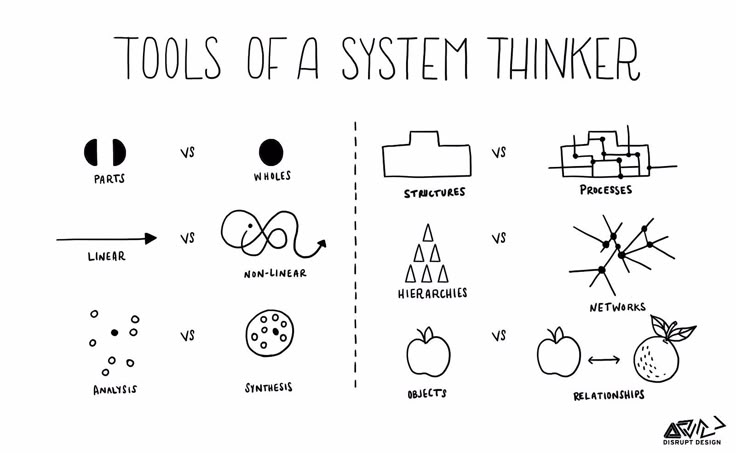
This playbook builds on the introductory primer by offering practical tools for investors and advisors to embed systems thinking into their strategies. It guides users through applying systems approaches to investment processes, impact measurement, and management. By recognising the interconnected nature of markets, communities, and social outcomes, the playbook helps investors move beyond isolated interventions to design portfolios that are adaptive, resilient, and capable of generating long‑term systemic change.
Iceberg Model
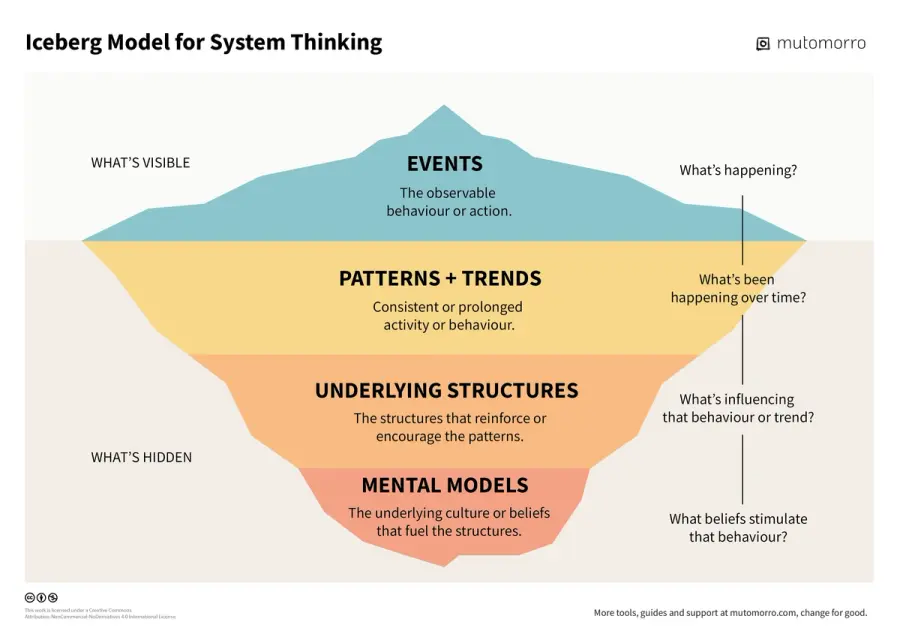
The iceberg model is a classic systems thinking tool that helps organisations look beneath the surface of events to uncover deeper patterns, structures, and mental models. By working through each level events, patterns, structures, and mental models, teams can identify root causes rather than just symptoms. This framework encourages reflection on how underlying assumptions and systemic structures shape recurring challenges, enabling more strategic and transformative responses.
Futures Thinking / Strategic Foresight
2×2 Scenario Matrix
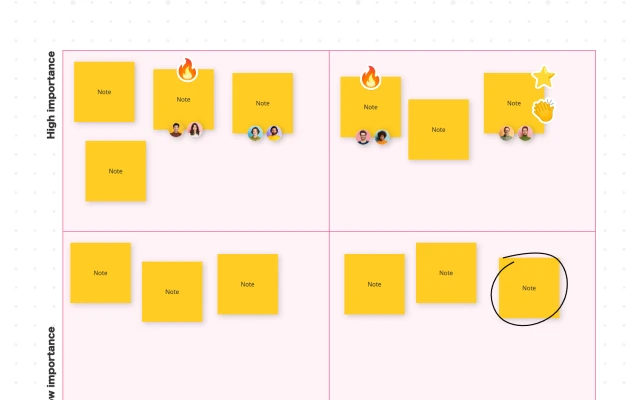
This matrix is a structured foresight tool that helps organisations explore multiple plausible futures by mapping two critical uncertainties against each other. The result is four distinct scenarios, each with its own narrative and strategic implications. By stress‑testing strategies against these scenarios, organisations can anticipate risks, identify opportunities, and build resilience. It is particularly valuable for decision‑makers navigating volatile environments where traditional forecasting falls short.

Projections: Things Are Not Normal (BBC)
This BBC report compiles expert insights into emerging themes and uncertainties, encouraging organisations to consider diverse futures rather than rely on a single prediction. It challenges readers to embrace complexity and ambiguity, using expert perspectives as a springboard for strategic dialogue and adaptive planning.

Anticipate + Megatrends
This toolkit presents eight megatrends identified through years of research and global dialogue. These trends spanning areas such as technology, demographics, and climate are dynamic forces that shape possibilities over 5–15 years. The framework encourages organisations to challenge assumptions, explore connections between trends, and refine strategic thinking. By viewing megatrends as interacting forces rather than isolated forecasts, teams can better anticipate systemic shifts and design strategies that remain relevant in changing contexts.
Facilitation Tools
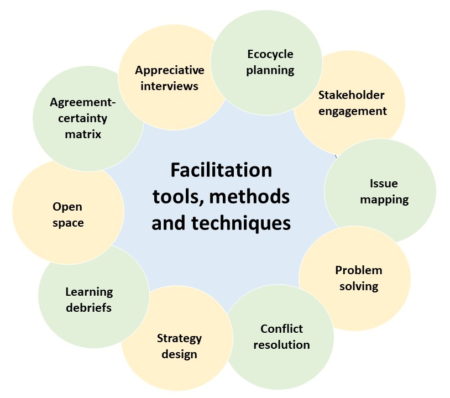
Facilitation Tools for Meetings and Workshops
This toolkit compiles participatory techniques to enhance engagement in group settings. While categorised for ease of use, the tools are flexible and adaptable, allowing facilitators to tailor them to diverse contexts. They help create inclusive spaces where participants contribute actively, fostering collaboration and shared ownership of outcomes.

A Manual for Group Facilitators
Designed as an interactive resource, this manual supports both novice and experienced facilitators. It emphasises active engagement, reflection, and adaptability, with wide margins for notes and intentional repetition to reinforce key principles. The manual provides foundational guidance on facilitation values and techniques, making it a practical companion for anyone leading group processes.

Designing and Facilitating Creative Conversations & Learning Activities
This toolkit equips facilitators to plan and guide creative conversations, workshops, and dialogues. It offers practical tips, principles for working with diversity, and frameworks for different modes of conversation such as debating, reflective dialogue, and generative dialogue. By matching conversation types to goals, facilitators can deepen learning and build trust progressively.

34 Visuals, 5 Years of Facilitation
Compiled by Mehdi En‑Naizi, this carousel distils lessons from five years of workshop design and facilitation. The visuals capture key insights and practical takeaways, serving as a quick reference for facilitators seeking inspiration and proven approaches.
Monitoring, Evaluation & Learning

The Most Significant Change (MSC) Technique
MSC is a participatory evaluation method that collects stories of change directly from program participants. These stories are then discussed and selected at different organisational levels to highlight the most valued transformations. The process fosters reflection, reveals diverse perspectives on impact, and generates learning that feeds back into program design. By focusing on qualitative narratives, MSC captures dimensions of change that traditional indicators often miss.
Intersectional Feminism

Feminist Mentoring for Feminist Futures
This toolkit provides a transformative framework for mentorship rooted in feminist values such as equality, reciprocity, and collective empowerment. It supports mentees’ personal and professional growth while creating safe, inclusive spaces for dialogue. By challenging oppressive structures and centring intersectionality, the framework empowers individuals especially those from marginalised communities to thrive and lead.

Gender Analysis, Assessment, and Audit
This toolkit guides users through conducting gender‑focused studies, from preparation to fieldwork and analysis. It emphasises collecting sex‑disaggregated data, observing gender roles and inequalities, and translating findings into actionable recommendations. By embedding gender analysis into program design, organisations can enhance equity, address systemic barriers, and ensure interventions are responsive to diverse needs.