
1.
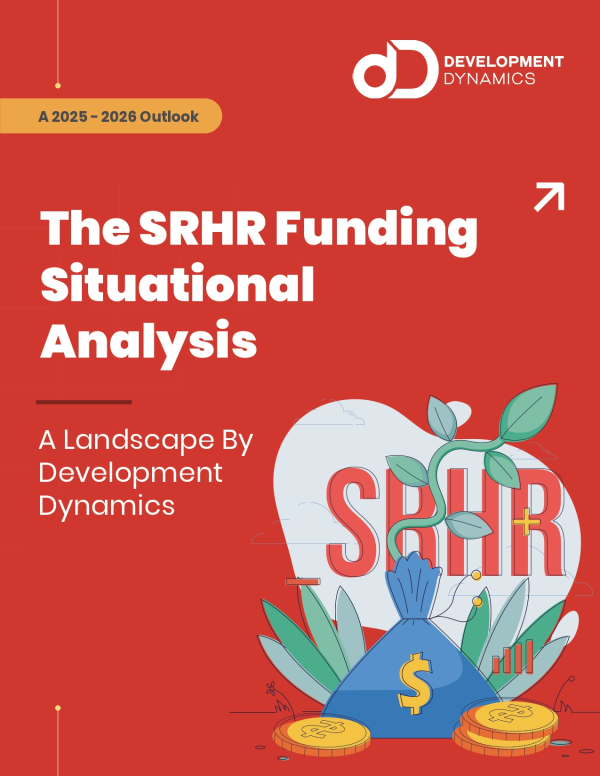
The SRHR Funding Situational Analysis 2025–26
The funding environment for Sexual and Reproductive Health and Rights is entering a period of significant uncertainty as 2025 and 2026 approach, with East and Southern Africa especially exposed. This report presents a situational analysis rooted in the emerging realities of 2025 and informed by trends up to 2023. It examines how a convergence of forces, a contracting global Official Development Assistance landscape, rising humanitarian needs driven by economic instability, climate change and conflict, and the growing activity of anti-rights movements is altering both the availability and the effectiveness of SRHR funding.
2.
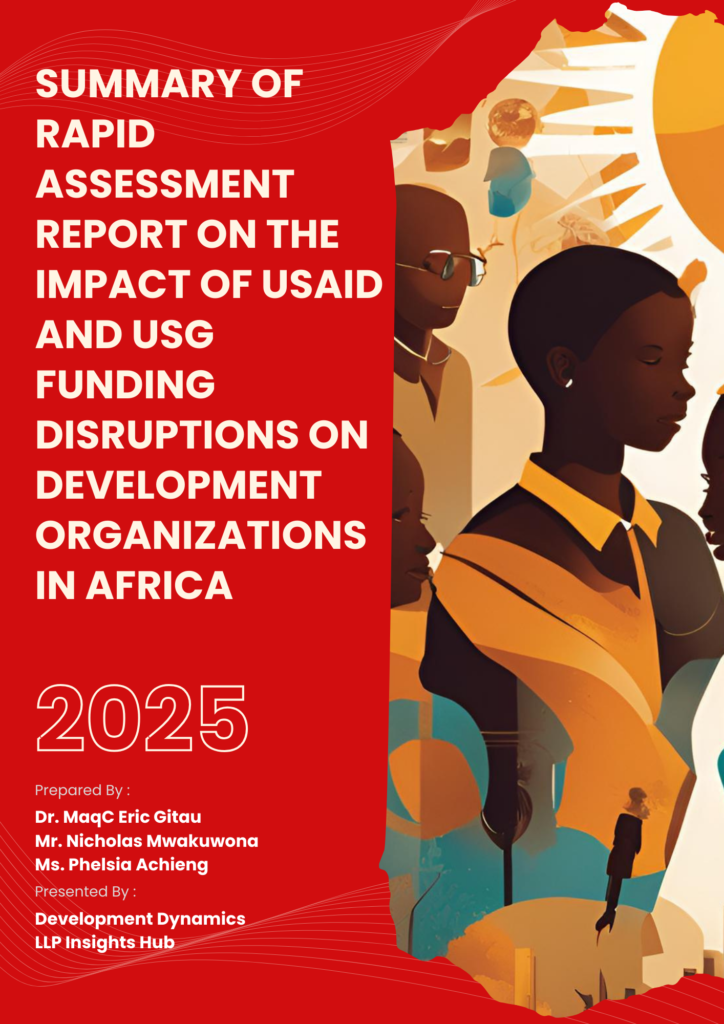
Impact & Adaptations Of Funding Disruptions Report
Since the string of executive announcements started arriving on January 20th, 2025, it’s been a whirlwind of activity, panic, pain, loss, and restrategizing. Data is now more crucial than ever before to effectively navigate the uncertainty and volatility in the current landscape. And so, alongside our partners East Africa Philanthropy Network-EAPN, we conducted a brief survey to better understand the impact of the funding disruptions, identify the common and unique emerging challenges and opportunities, and determine possible support for your organization’s resilience and growth. Find the report here and let us know what stands out for you and how we can partner for a better Africa!
3.
Landscape Analysis - PPPP Framework
Public-private partnerships are long-term contracts between a private party (often a company or high net-worth individual) and a government entity (state department or county/district) for providing a public good (asset or service) in which the private party bears significant risk and management responsibility, and remuneration is linked to performance. Public-private partnerships have a long history from Ancient Rome to precolonial Africa, dating back to the 2nd-1st century BCE.
4.
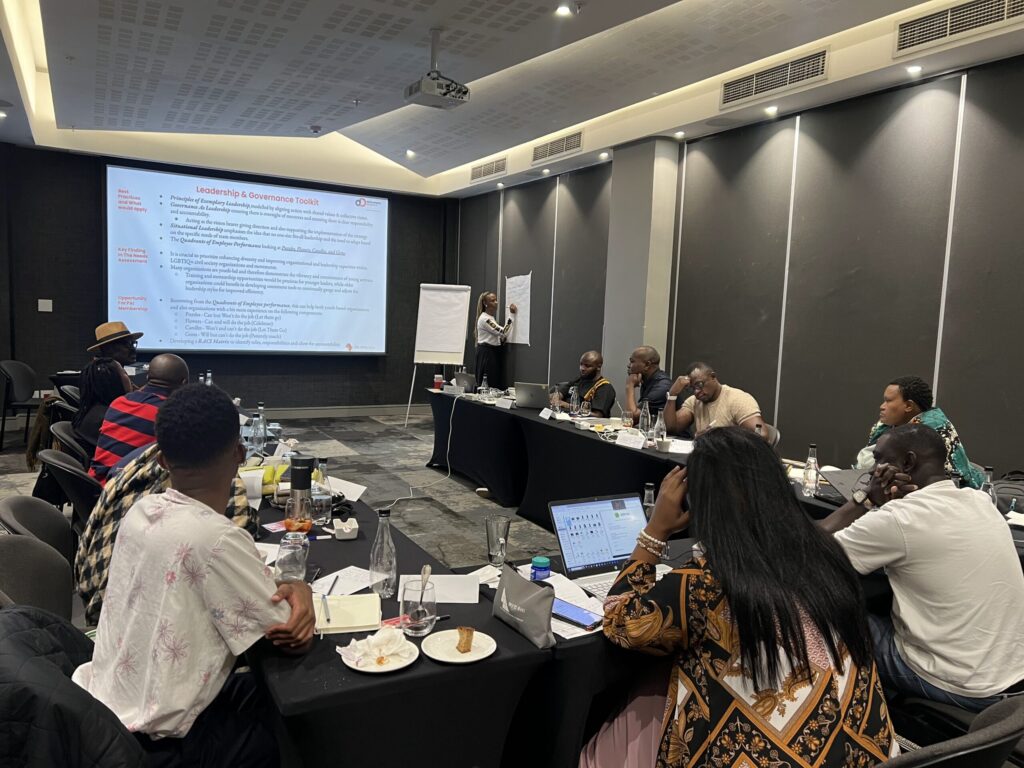
9th East African Philanthropy Conference (EAPC) Reports
The 9th East Africa Philanthropy Conference at Serena Kigali convened funders, practitioners, researchers and policy actors to interrogate how philanthropy measures impact, mobilises domestic resources, and prepares ecosystems for coordinated action. Sessions ranged from critical labs on data, metrics and impact narratives to provocative panels on domestic capital and practical workshops on ecosystem readiness. Across the convening, participants challenged conventional measurement systems, explored pathways to make local capital visible and accountable, and prototyped approaches for building capital that remains rooted in community priorities. These reports capture session summaries, reflections, and practical takeaways for funders and practitioners seeking to align resources with long‑term, locally led change.