
Hacking The Hyphen - DD’s Innovation Challenge

Youth in Africa between the ages of 18-29 years face critical issues that stand in the way of developing innovative solutions to urgent and complex challenges at the nexus of Climate Justice, Sexual Reproductive Health & Rights (SRHR), and Gender . At the crux of these issues, is lack of technical capacity and underrepresentation in innovation spheres. There is a growing need to capacitate these youth to support the creation of solutions that will adequately tackle the issues at the intersection of the aforementioned societal themes. Hacking The Hyphen is DD’s annual innovation challenge, aimed at solving challenges at the nexus of Gender, Climate and Sexual Reproductive Health & Rights.
We envision a collective of empowered and connected African youth creating impactful and sustainable innovations that address urgent and complex issues at the intersection of Climate justice, SRHR and Gender. In addition, we aim to ensure these innovators are continuously supported by their peers and pioneers in the social impact sector with resources and networks that enable catalytic societal transformation.
2024 Cohort
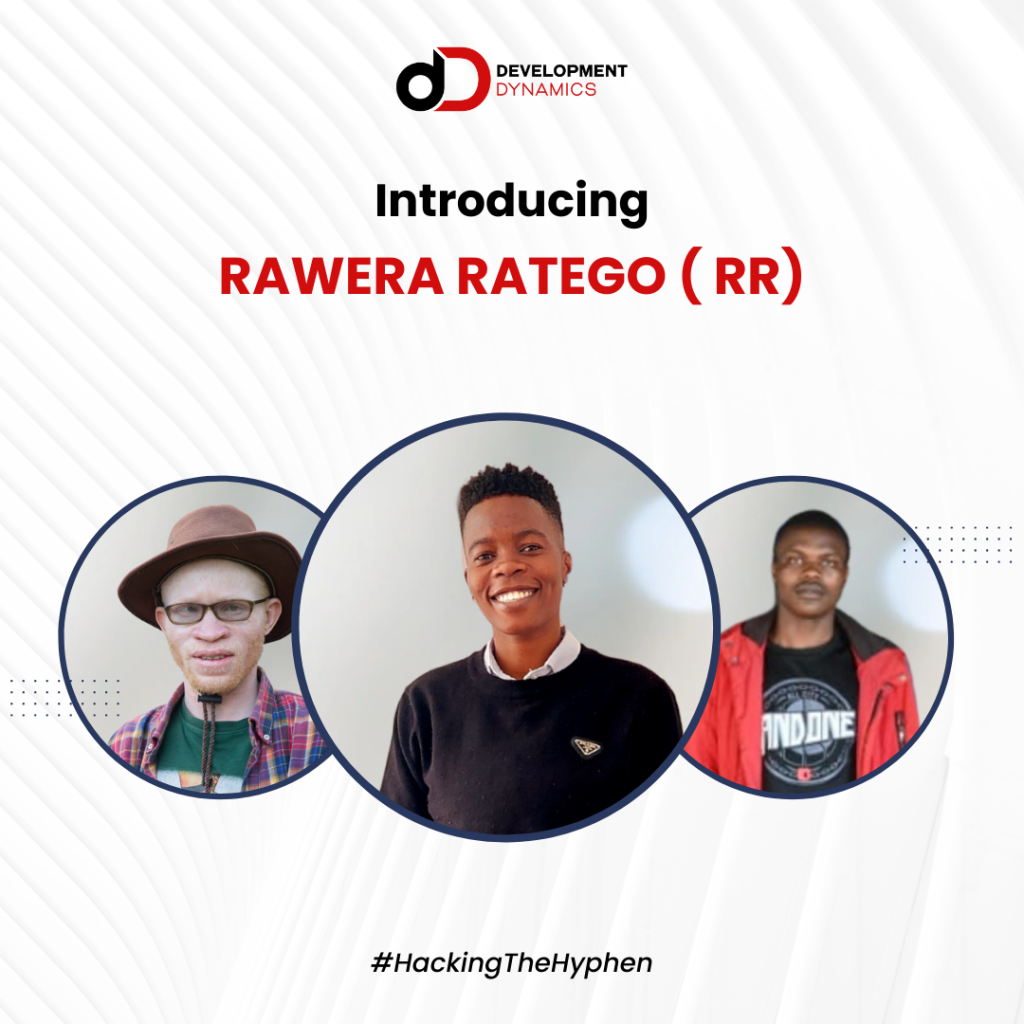
Rawera Ratego - Kenya
The Problem
Everybody, including those who are most marginalised, should be able to realise their sexual and reproductive health and rights (SRHR) inclusivity in climate action and freedom from S/GBV. Due to high rate of teenage pregnancies in Seme sub county, being top three in Nyanza at 19.6% and low tree coverage Rawera Ratego intends to embrace the use of safe spaces model to sustainably address the triple threat and inclusive climate action in Seme sub county.
The Solution
- Rawera Ratego is a multifaceted, unique and inclusive group. Our safe space model solution is brings a unique experience of meaningful engagement of the youths by giving them a platform to voice out their challenges on SRHR, it also embraces intersectionality in terms of age, race, education, disability and sexual orientation. Being implemented at the community, it is sustainable, impacting and life changing by integrating inclusive climate action, SRHR and gender equality in a hotspot community.
- Working with youths with compounded vulnerabilities from rural areas along the lake region, most of them lack access to comprehensive SRH information, low literacy level and rampant transactional sex for fish hence susceptible to all forms of vulnerability. Adopting inclusive community safe spaces for this youths with therefore be a milestone step in addressing inclusive climate action,SRHR and gender equality
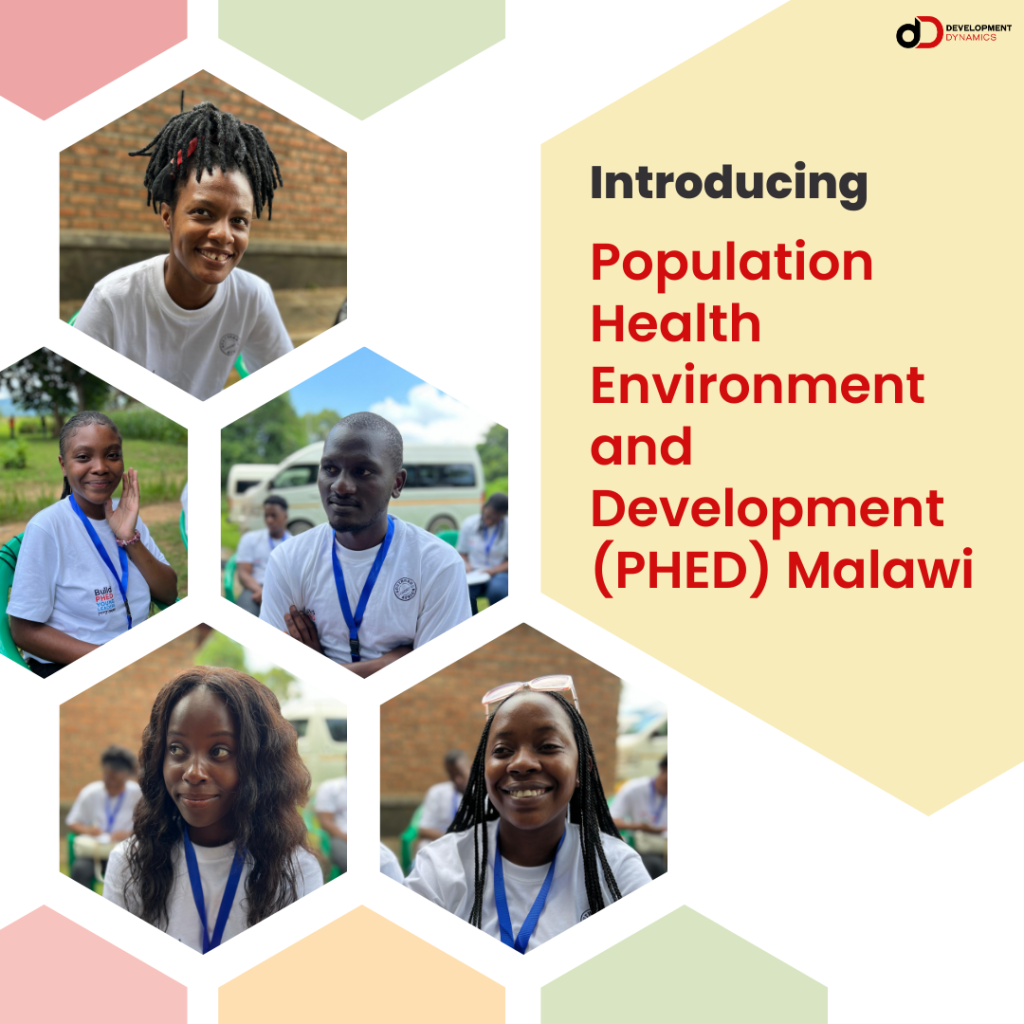
Population Health Education & Development - Malawi
Problem
Rural communities in Malawi face multiple barriers to sexual and reproductive health that undermine wellbeing and livelihoods. Limited access to comprehensive SRH services is driven by geographic isolation, weak infrastructure, and cultural obstacles. Low awareness about SRH issues fuels misconceptions and stigma, which discourage people from seeking care and information.
Solution
Community-based SRH programs delivered through youth and young mothers groups, including Tikondwerane, Tionge, Azimayi Patsogolo, Pamoza, and Chimwemwe, to expand family planning and youth-friendly services. Digital health technologies that use social media for SRH education and provide teleconsultation options. Inclusive service delivery through training at Kamwe Health Centre to ensure youth- and disability-inclusive SRH care.