Research & Evaluation
Overview
As Development Dynamics’ Insights Hub, we deliver research, evaluations, and learning services that generate actionable evidence for the sector. We believe rigorous research combined with reflective learning drives innovation and accountability. Our services include baseline studies, landscape analyses, evaluations, and learning agenda management. We prioritise participatory and feminist research methods so that the research process itself builds capacity and centres the voices of those most affected.
Highlights 2020 to 2024
Hivos Free to Be Me Baseline Study
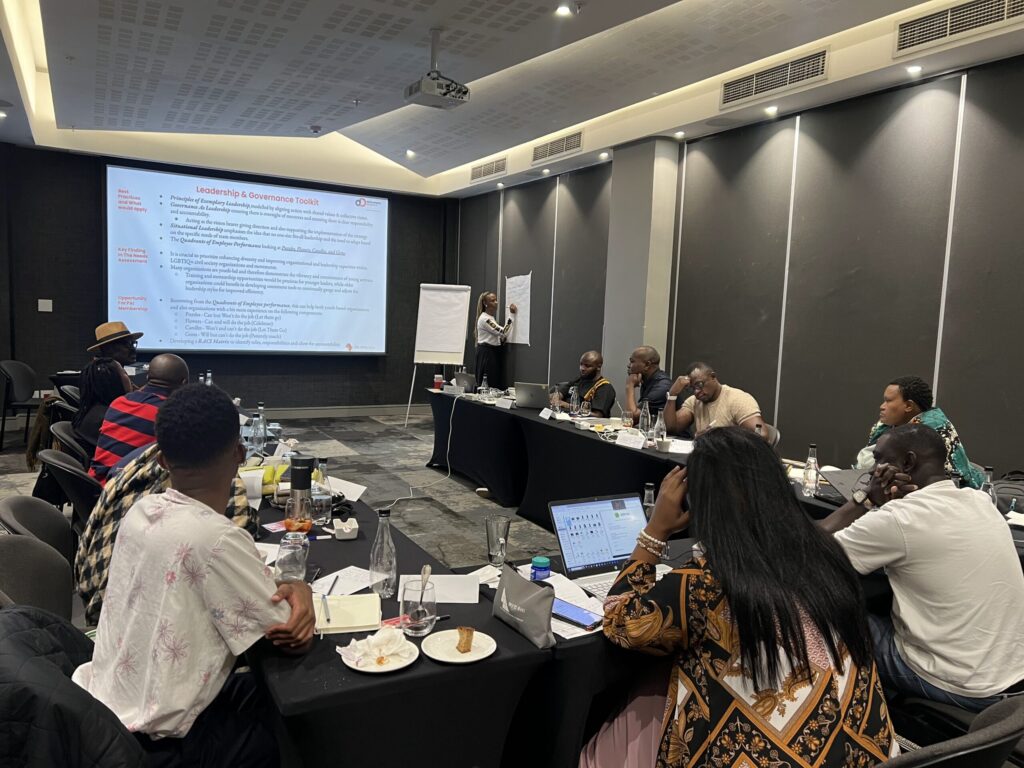
In 2022 DD conducted a 14‑country baseline for Hivos’s Free to Be Me program. The mixed‑methods study partnered with local civil society organisations to map the state of LGBTIQ+ advocacy, legal barriers, and community needs across diverse contexts. We harmonised data across countries and applied ethical approaches to engage marginalised groups. The resulting baseline combined quantitative indicators with rich qualitative analysis, giving Hivos and its partners a context‑informed foundation to measure progress and adapt programming. Local partners also benefited from co‑leading the research, strengthening in‑country capacity and modelling inclusive research practice.
WUSC Power to Girls Knowledge Mobilisation
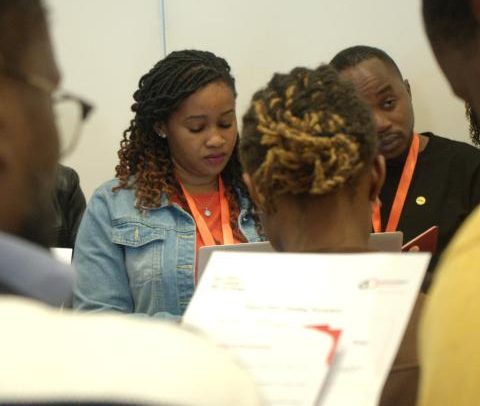
In 2024 DD partnered with World University Service of Canada on the LEAP Power to Girls knowledge and learning project in Kenya. We captured lessons from a girls’ education and empowerment program through storytelling workshops with girls, mentors, and educators. Outputs included policy briefs and learning videos that translated participant insights into practical guidance for girl‑centred programming. The participatory approach enabled girls to co‑analyse what worked, turning beneficiaries into knowledge ambassadors and embedding learning as part of the empowerment process.
Responsive Research for Adaptation
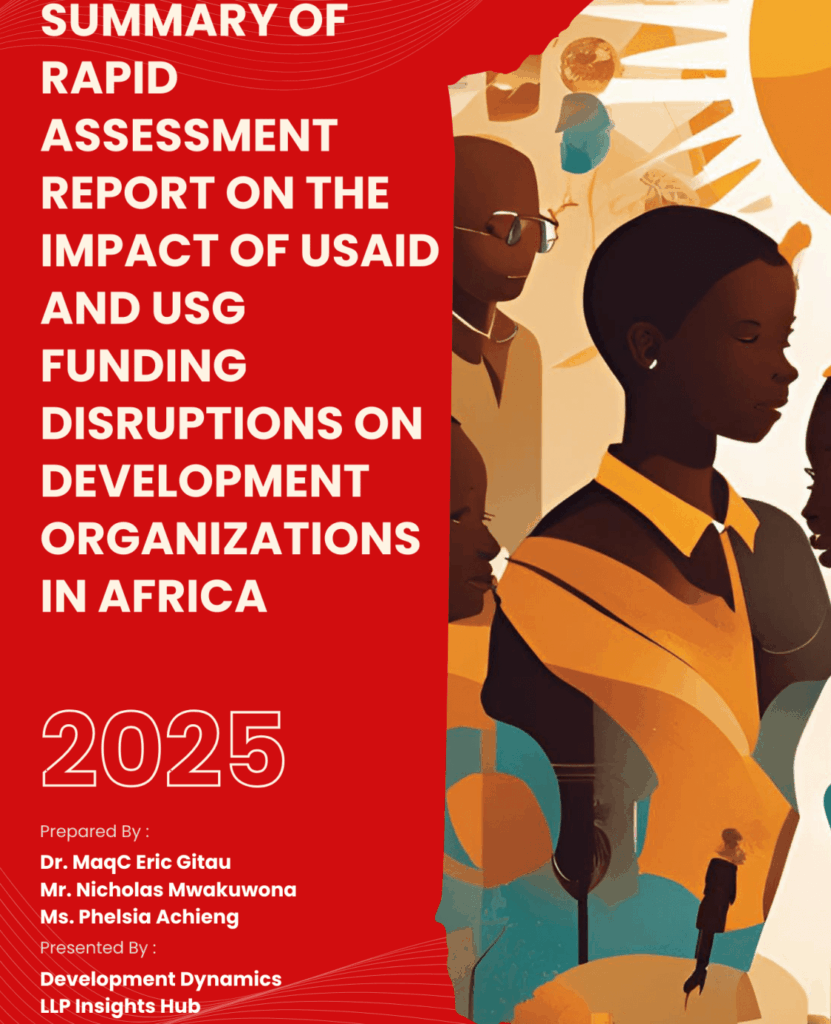
Agility and utilisation are central to our research practice. In early 2025, when funding shocks affected East African NGOs, DD rapidly partnered with EAPN to run an Impact and Adaptations of Funding Disruptions survey. Within weeks we collected data from dozens of organisations and produced a brief that helped funders and NGOs adjust strategies. During COVID‑19 we supported rapid assessments for clients such as Amref, evaluating digital Communities of Practice and virtual training effectiveness so programs could pivot quickly. These examples show how timely evidence can inform course corrections and strengthen resilience.