Reading the Architecture of the Ecosystem
A living framework for understanding the forces shaping African development futures.
The African development ecosystem is moving through a period of deep and overlapping transition. Climate stress is changing the conditions of life, production and resilience. Population growth is reshaping education, work, care, mobility and social aspiration. Capital is becoming more selective, conditional and fragmented. Political authority is being renegotiated across institutions, communities and borders. Technology is transforming how people learn, organise, trade, communicate and make meaning. Social norms, faith systems, identities and regional relationships are shifting under pressure.
These forces interact continuously.
A climate shock can affect food systems, migration, urbanisation, public health, fiscal stability and political legitimacy at the same time. A shift in digital infrastructure can influence education, work, civic participation, information ecosystems, capital flows and governance. A financing decision can determine which institutions grow, which ideas endure and which communities remain unseen.
Understanding How Change Moves Through the Ecosystem
Many institutions struggle with complexity experienced as noise too many signals, priorities, and urgent demands arriving at once. Development Dynamics uses five interconnected lenses to organise complexity while maintaining its depth, helping leaders, institutions, funders, and movements ask stronger questions before rushing towards solutions.
WHY THIS FRAMEWORK
Locating pressure and unlocking systemic action.
Each lens helps locate where pressure is emerging, how systems are responding, and where meaningful action, strategic investment, or collective stewardship may be possible.
Conditions
The ecological, spatial, and biological realities people live inside.
Flow
How resources, capital, accountability, and energy move through the ecosystem.
Capability
The systems shaping what people can learn, do, create, and become.
Authority
Who shapes direction, power, institutional legitimacy, and decision-making.

SYSTEMIC STRENGTH
Moving Beyond Fragmented Responses to Shared Stewardship
The five lenses allow ecosystem actors to see how different forces relate to one another. It helps identify where systems are under strain, where opportunities are gathering, where responses are fragmented, and where collaboration creates greater value across strategy, foresight, learning, investment, and collective action.
HOW WE WORK
Embedding the Framework Across Development Dynamics
This framework directly informs how Development Dynamics senses, strengthens, and seeds ecosystems across our three core operational pillars.
Insights Hub
Embedded in research, foresight, sensemaking, learning, and strategic intelligence.
Innovation Lab
Enabling design, experimentation, facilitation, movement building, and collective problem-solving.
Investment Catalyst
Supporting investment readiness, capital alignment, partnership architecture, and institutional sustainability.
VALUE ACROSS THE ECOSYSTEM
Who This Architecture Serves
How the five interconnected lenses help different actors make sense of complexity and act with wisdom.
For Institutions & Public Sector
Offers a map of where pressure sits and how it travels. Explains why isolated interventions struggle and why local legitimacy matters as much as funding.
For Funders & Investors
Reveals how capital interacts with systems, identifying where funding strengthens shared infrastructure vs. where it deepens fragmentation.
For Movements & Communities
Offers a shared language to build alliances across issues, connecting lived experience to wider systems for sustained collective action.
For Ecosystem Actors
Creates a practical basis for collaboration, highlighting overloaded systems, fragmented responses, and joined-up multiplier opportunities.

Conditions: The Realities People Live Inside
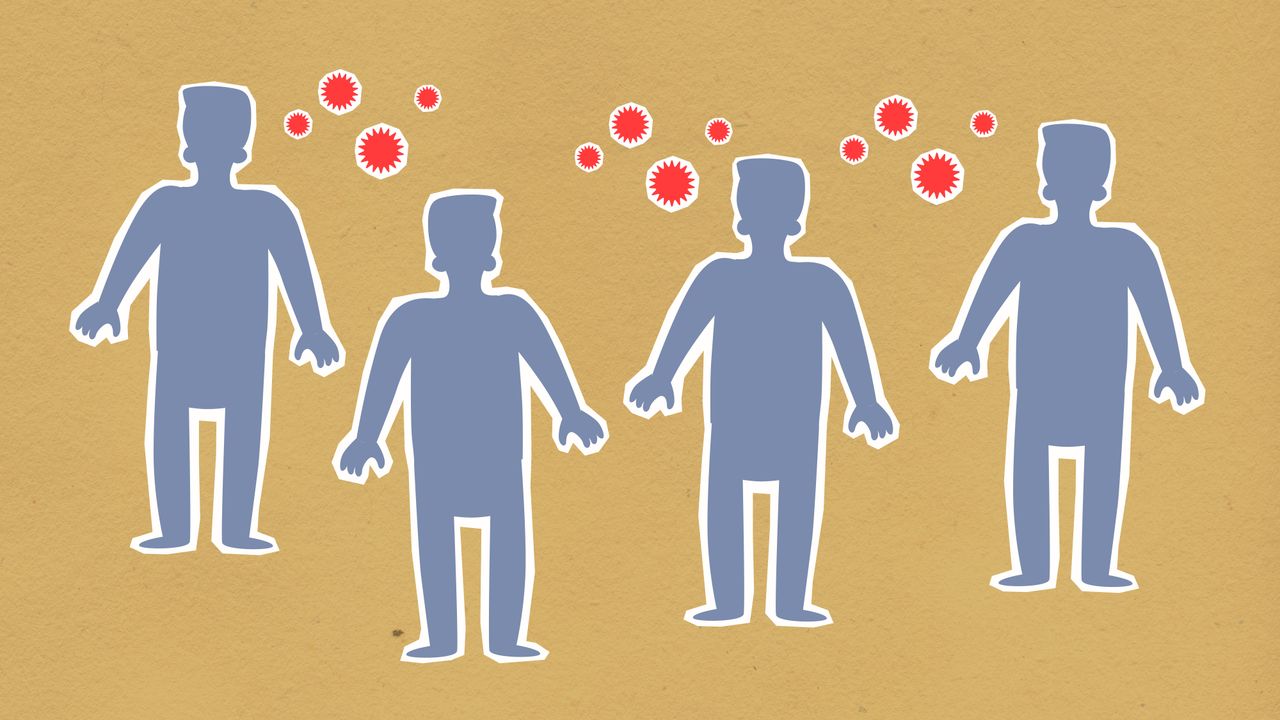
Brings focus to the ecological, spatial, and biological realities that set the terms for everyday life. This is where strain becomes visible first: in farms, cities, homes, clinics, water systems, and health risks.
- Climate change, ecological stress, and climate finance adaptation.
- Food systems stress, agricultural transformation, and urban expansion.
- Human mobility, health system resilience, and epidemiological vulnerability.

Capability: Systems Shaping Human Potential
Explores the relationship between demographic scale, education, skills, knowledge, technology, media, and the changing nature of work and participation.
- African demographic change, education, skills, and youth transitions.
- Digital infrastructure, platformisation, and data governance.
- Artificial intelligence, automation, and narrative power in media.
Flow: How Resources Move Through the Ecosystem
Traces the movement of money, information, accountability, and organisational energy in the space where intention meets operational reality.
- Transformation of development finance, capital flows, and debt pressures.
- Donor risk regimes, compliance controls, and accountability pressures.
- Network models, platform partnerships, and sector marketisation.

Authority: Who Shapes Direction, Legitimacy & Decision-Making
Focuses on power and decision-making. It helps identify who influences direction, where legitimacy sits, and how choices are negotiated or reimagined within wider governance and funding systems.
- Localisation of power, ownership, and institutional legitimacy.
- Political settlements, civic space, and democratic contestation.
- Geopolitical reordering and shifting global development power.
Cohesion: What Holds Societies Together Under Pressure
Focuses on the social fabric shaping trust, belonging, moral order, and collective action. It asks whether societies can absorb pressure, negotiate difference, and act together when systems are under strain
- Gender orders, identity politics, and social norm change.
- Religion, faith ecosystems, and moral authority in public life.
- Conflict dynamics, regional integration, and cross-border ecosystems.